Limb Pruning in Allentown, PA
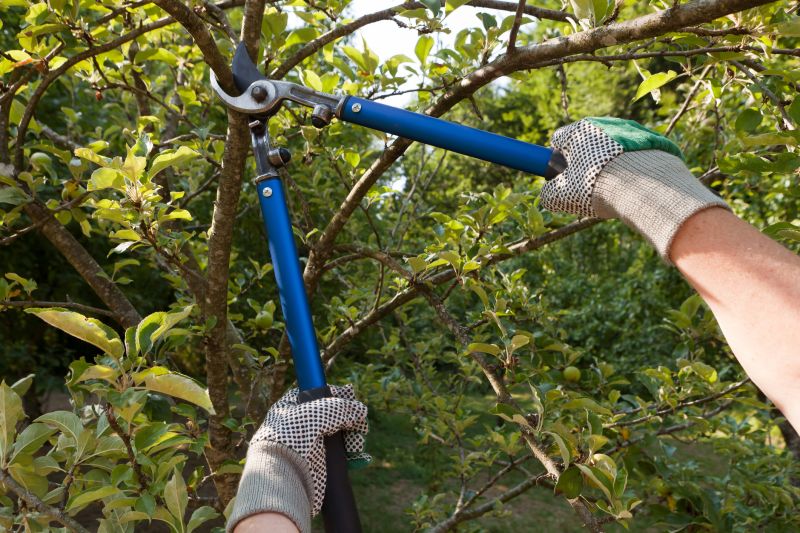
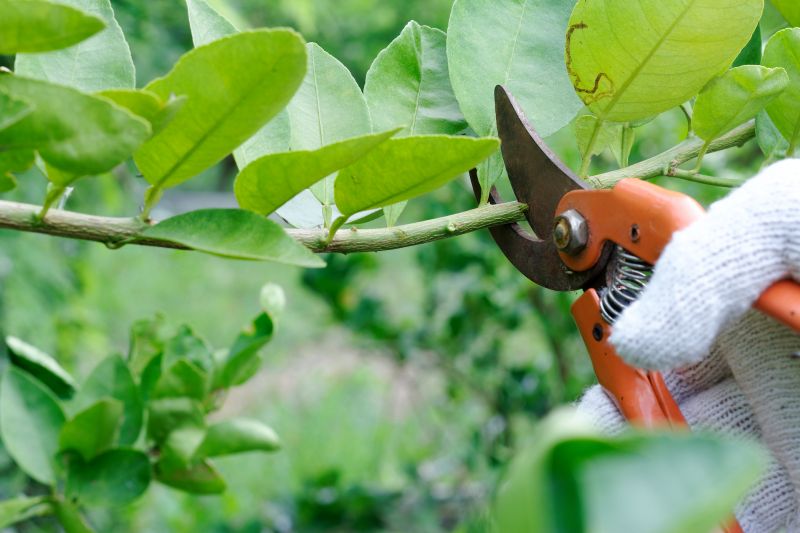
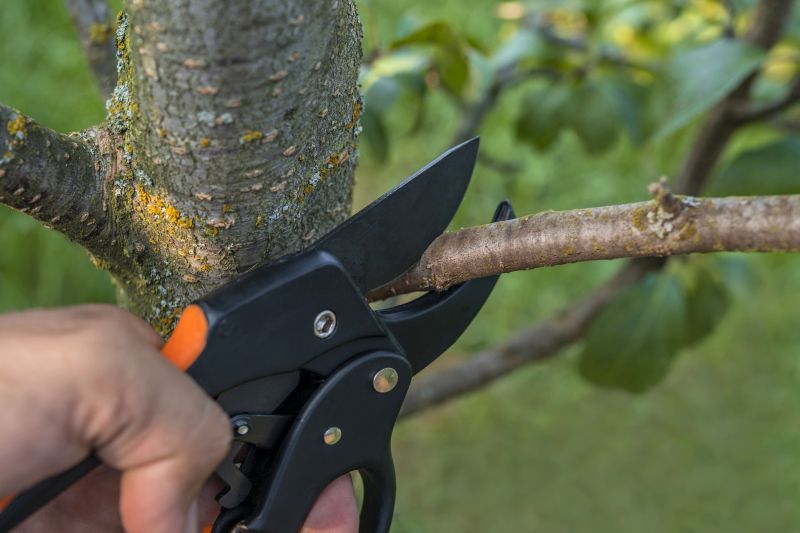
Limb pruning services involve selectively trimming and removing specific branches or limbs of trees to promote healthy growth, improve appearance, and prevent potential hazards. This process is suitable for a variety of projects, including reducing the size of overgrown trees, removing dead or diseased branches, shaping trees for aesthetic purposes, and ensuring that limbs do not interfere with structures or power lines. Homeowners often seek limb pruning to maintain the safety and visual appeal of their property, especially when dealing with trees that have become too large or unruly.
Before requesting limb pruning, property owners should consider the current condition of their trees, the specific goals for trimming, and any concerns about the health or stability of the branches. It’s helpful to understand which limbs are problematic, whether the work involves removing dead or damaged branches, and if any pruning restrictions apply to certain tree species. Clarifying these details can ensure the pruning aligns with the desired outcomes and maintains the overall health and safety of the landscape.
Many property owners in Allentown, PA look into Limb Pruning for repairs, replacements, upgrades, and appearance-related improvements.
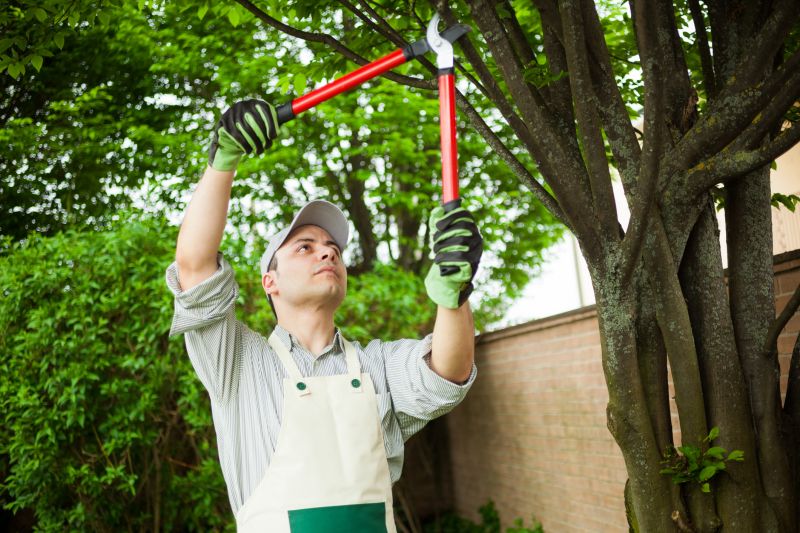
Tree Health And Safety
Proper limb pruning helps maintain the health and stability of trees in allentown neighborhoods.
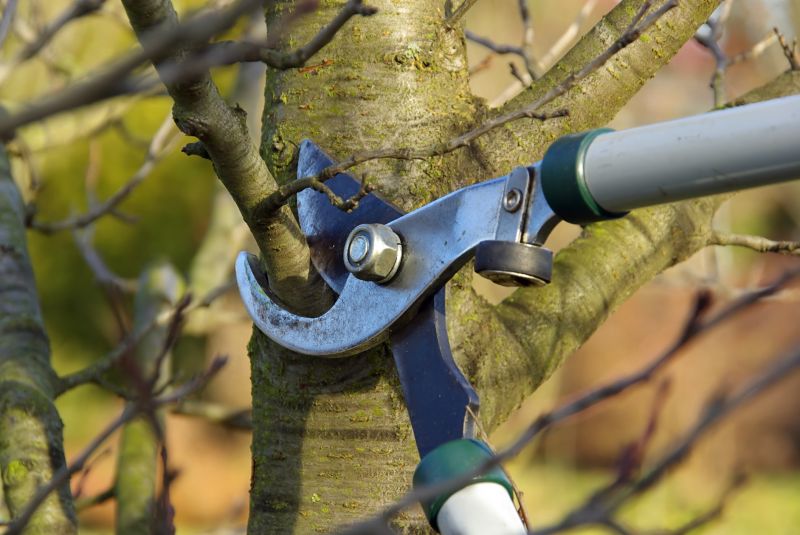
Aesthetic Enhancement
Pruning can improve the appearance of trees and enhance the overall landscape of residential and commercial properties.
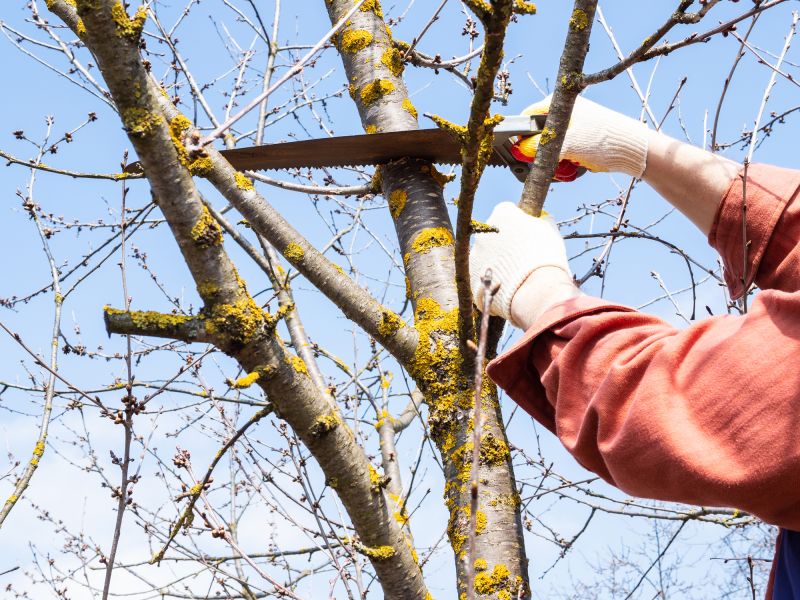
Property Protection
Removing overgrown or damaged limbs reduces the risk of property damage during storms or high winds in allentown areas.
Limb Pruning in Allentown, PA

Limb pruning services involve selectively trimming and removing specific branches or limbs of trees to promote healthy growth, improve appearance, and prevent potential hazards. This process is suitable for a variety of projects, including reducing the size of overgrown trees, removing dead or diseased branches, shaping trees for aesthetic purposes, and ensuring that limbs do not interfere with structures or power lines. Homeowners often seek limb pruning to maintain the safety and visual appeal of their property, especially when dealing with trees that have become too large or unruly.
Before requesting limb pruning, property owners should consider the current condition of their trees, the specific goals for trimming, and any concerns about the health or stability of the branches. It’s helpful to understand which limbs are problematic, whether the work involves removing dead or damaged branches, and if any pruning restrictions apply to certain tree species. Clarifying these details can ensure the pruning aligns with the desired outcomes and maintains the overall health and safety of the landscape.
Many property owners in Allentown, PA look into Limb Pruning for repairs, replacements, upgrades, and appearance-related improvements.
Common Limb Pruning Jobs
Tree trimming - shaping and thinning limbs to improve tree health and appearance.
Overgrown branch removal - removing excessive or damaged branches to prevent hazards.
Fruit tree pruning - managing growth to increase fruit production and quality.
Deadwood removal - eliminating dead or decaying branches to promote overall tree vitality.
Crown thinning - reducing dense foliage for better air circulation and light penetration.
Structural pruning - guiding tree growth to maintain stability and prevent future damage.
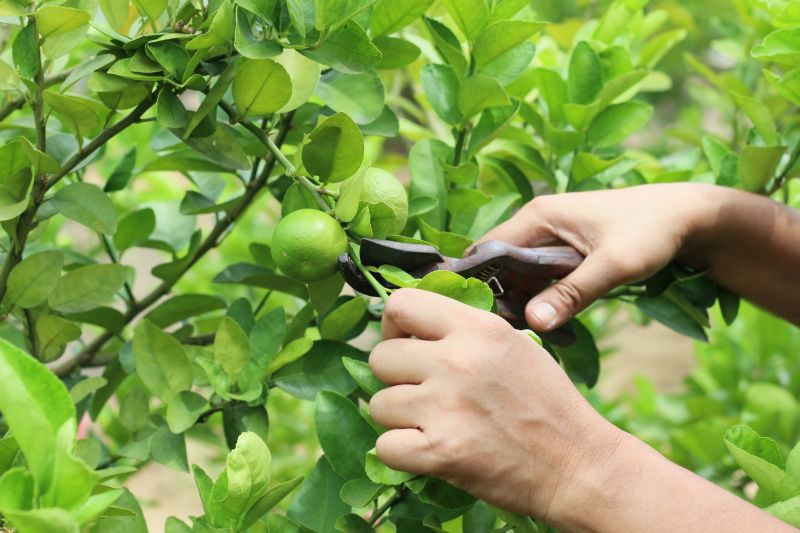
Limb Pruning Questions
What is limb pruning? Limb pruning involves removing specific branches to improve tree health, shape, and safety.
Why is limb pruning important? It helps prevent hazards, promotes healthy growth, and maintains the tree’s appearance.
When should trees be pruned? Trees are best pruned during dormancy or when there are signs of disease or damage.
What types of projects typically require limb pruning? Projects include removing dead or diseased branches, shaping trees, and clearing safety hazards.
Request Limb Pruning in Allentown, PA
Use the quote form on this page to share the basics of your project and request more information for the type of work you need.