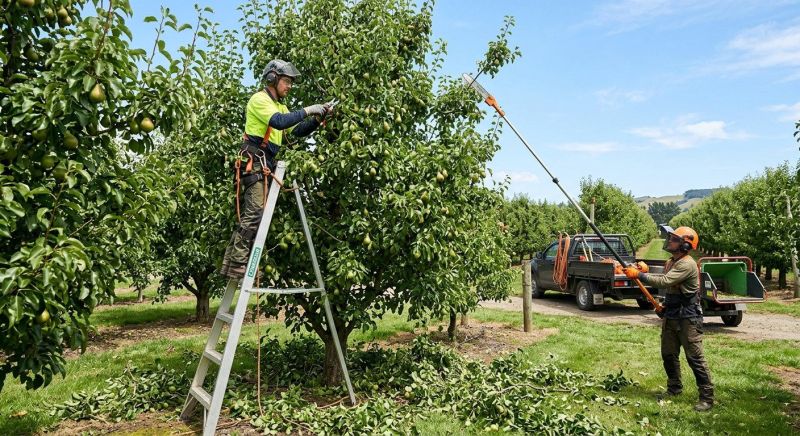
Pear Tree Pruning in Allentown, PA
Pear Tree Pruning services involve the careful trimming and shaping of pear trees to promote healthy growth, improve fruit production, and maintain a balanced appearance. This type of pruning typically includes removing dead or diseased branches, thinning overcrowded areas, and shaping the canopy to allow better sunlight penetration and air circulation. Projects can range from routine maintenance of established trees to more extensive pruning during dormant seasons to prepare for upcoming growth cycles. Homeowners interested in this service should understand the importance of proper pruning techniques to avoid damaging the tree and to ensure optimal health and fruit yield.
Before requesting pear tree pruning, property owners often want to know about the best timing for pruning, which usually depends on the tree’s growth cycle and local climate conditions. They may also inquire about the extent of trimming needed, especially if the tree has become overgrown or has structural issues. Clear communication about the tree’s current condition, desired outcomes, and any specific concerns can help ensure the pruning process supports the tree’s long-term health and aesthetic appeal. Properly pruned pear trees can enhance the overall landscape and contribute to a productive orchard or garden space.
Many property owners in Allentown, PA look into Pear Tree Pruning for repairs, replacements, upgrades, and appearance-related improvements.
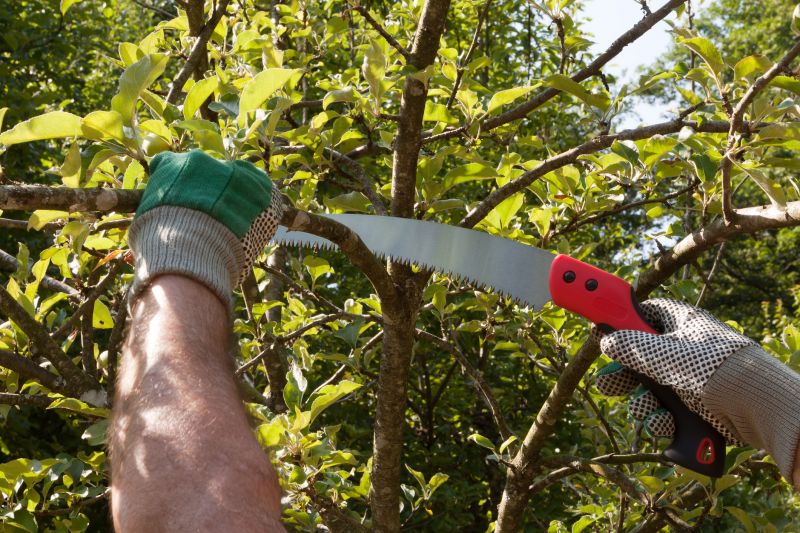
Tree Health And Safety
Proper pruning helps maintain the strength and stability of pear trees, reducing risks during storms and high winds.
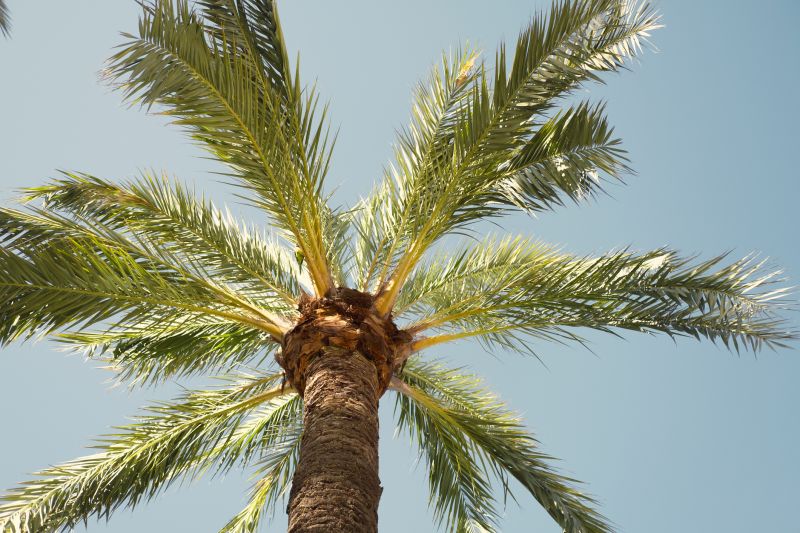
Enhancing Tree Appearance
Regular pruning improves the shape and aesthetics of pear trees, making them a beautiful feature in any yard.
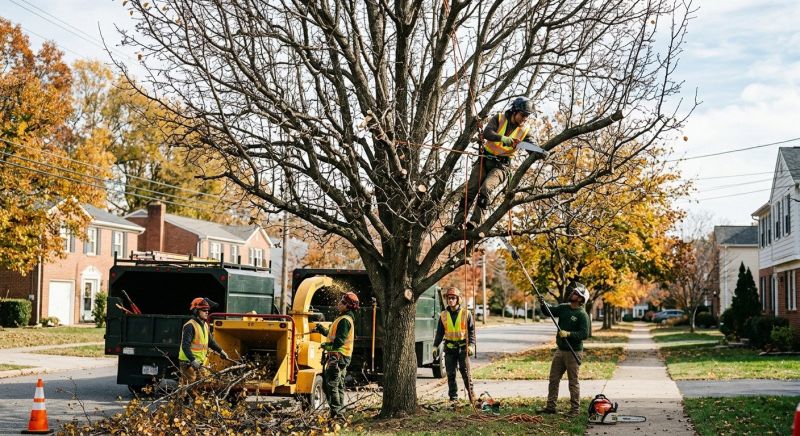
Fruit Production Optimization
Pruning encourages better fruit development and harvest quality for healthy, abundant pear crops.
Pear Tree Pruning in Allentown, PA

Pear Tree Pruning services involve the careful trimming and shaping of pear trees to promote healthy growth, improve fruit production, and maintain a balanced appearance. This type of pruning typically includes removing dead or diseased branches, thinning overcrowded areas, and shaping the canopy to allow better sunlight penetration and air circulation. Projects can range from routine maintenance of established trees to more extensive pruning during dormant seasons to prepare for upcoming growth cycles. Homeowners interested in this service should understand the importance of proper pruning techniques to avoid damaging the tree and to ensure optimal health and fruit yield.
Before requesting pear tree pruning, property owners often want to know about the best timing for pruning, which usually depends on the tree’s growth cycle and local climate conditions. They may also inquire about the extent of trimming needed, especially if the tree has become overgrown or has structural issues. Clear communication about the tree’s current condition, desired outcomes, and any specific concerns can help ensure the pruning process supports the tree’s long-term health and aesthetic appeal. Properly pruned pear trees can enhance the overall landscape and contribute to a productive orchard or garden space.
Many property owners in Allentown, PA look into Pear Tree Pruning for repairs, replacements, upgrades, and appearance-related improvements.
Common Pear Tree Pruning Jobs
Pear Tree Pruning Services - Proper pruning promotes healthy growth and enhances the tree’s appearance.
Selective Branch Removal - Removing dead or diseased branches reduces the risk of damage and decay.
Thinning and Shaping - Shaping trees maintains balance and improves sunlight exposure for surrounding plants.
Structural Pruning - Corrects weak branch unions to prevent future limb failures.
Seasonal Pruning - Regular trimming encourages vigorous growth during the appropriate times of year.
Overgrown Tree Trimming - Restores tree structure and prevents interference with nearby structures or power lines.
Pear Tree Pruning Questions
Why is pear tree pruning important? Regular pruning helps maintain the tree’s health, encourages better fruit production, and prevents overgrowth that can cause damage or safety issues.
When is the best time to prune a pear tree? The ideal time is during late winter or early spring before new growth begins, ensuring minimal stress to the tree.
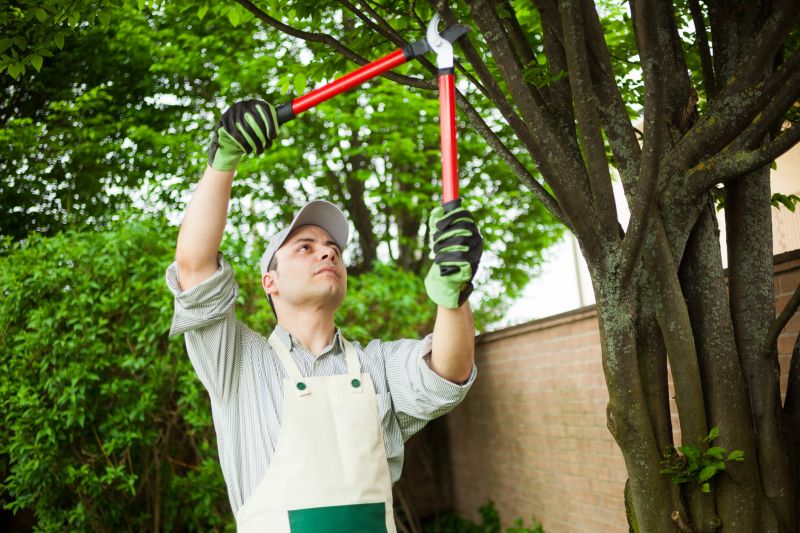
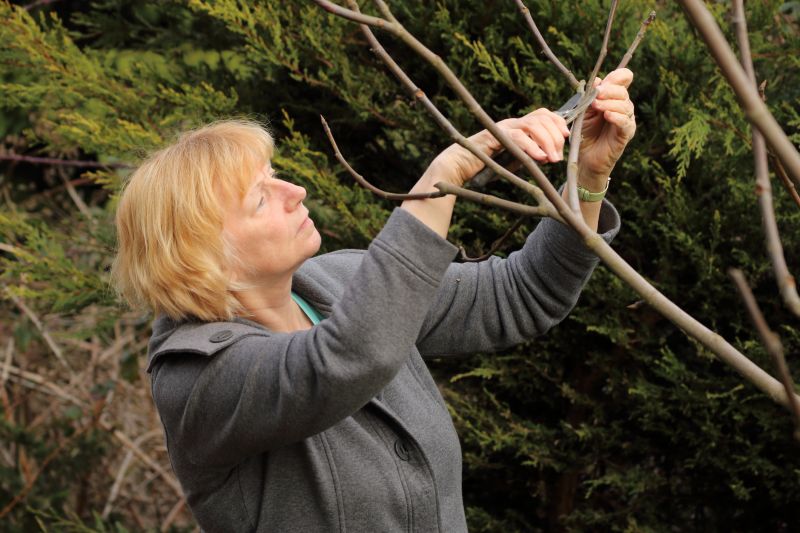
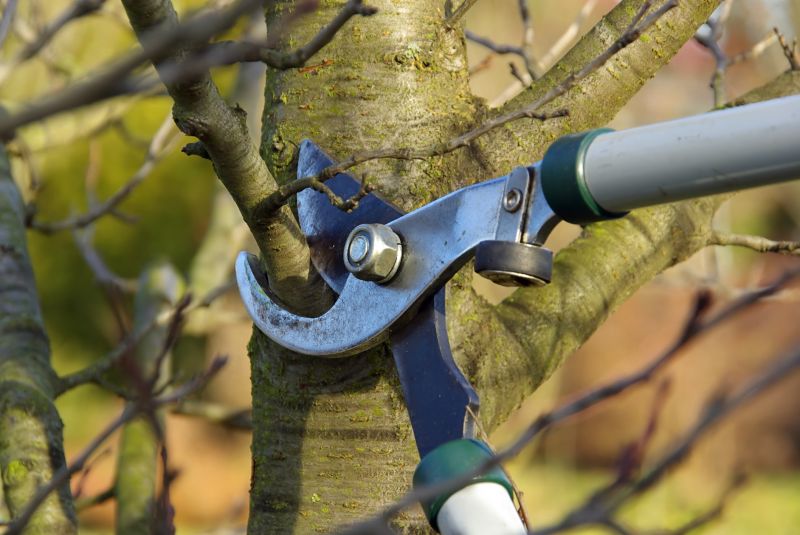
What tools are used for pear tree pruning? Sharp pruning shears, loppers, and saws are commonly used to remove dead or overgrown branches and shape the tree.
Can pruning improve the shape of a pear tree? Yes, proper pruning helps develop a strong, balanced structure and enhances the tree’s overall appearance.
Request Pear Tree Pruning in Allentown, PA
Use the quote form on this page to share the basics of your project and request more information for the type of work you need.