Compare Local Contractors for Expert Tree Shaping Services
Compare local contractors for tree shaping services to define project scope, verify experience, and establish clear expectations before selecting the right professional.
Tree shaping services encompass a range of work aimed at modifying the growth patterns and appearance of trees through techniques such as pruning, training, and structural support. These projects often involve careful planning to achieve specific aesthetic or functional goals, whether that means creating living structures, guiding growth for safety, or enhancing landscape design. Understanding the scope of work needed-such as whether the project involves shaping mature trees, young saplings, or integrating trees into larger landscape features-helps property owners communicate their expectations clearly and ensures the selected service providers have the right experience for the job.
Defining the scope of a tree shaping project is a critical step in working with contractors. Clear, written descriptions of what is to be achieved-including the types of shaping techniques, the extent of pruning, and any structural modifications-help prevent misunderstandings and set realistic expectations. It’s important to discuss and document the desired outcomes, as well as any specific constraints or considerations related to the property or tree health. A well-defined scope also assists property owners in comparing local service providers based on their expertise, methods, and ability to meet the outlined requirements.
When evaluating and comparing local contractors for tree shaping services, property owners should consider a few practical factors. Verifying the experience of each service provider with similar projects can provide insight into their capabilities. Reviewing how each contractor approaches project scope, communication, and documentation can reveal their professionalism and attention to detail. Additionally, seeking clarity on their process for handling unexpected issues or adjustments ensures that expectations are aligned. By focusing on these practical aspects, property owners can make informed decisions when selecting a contractor who best fits the specific needs of their tree shaping project.
Compare local contractors by outlining your project priorities, verifying experience, and setting clear written expectations.
- Verify Experience - Review the contractor’s background and past projects related to tree shaping.
- Define Scope Clearly - Establish detailed project requirements and expectations in writing.
- Compare Service Providers - Assess local contractors based on expertise and service offerings.
- Request Written Agreements - Ensure all project details and responsibilities are documented before work begins.
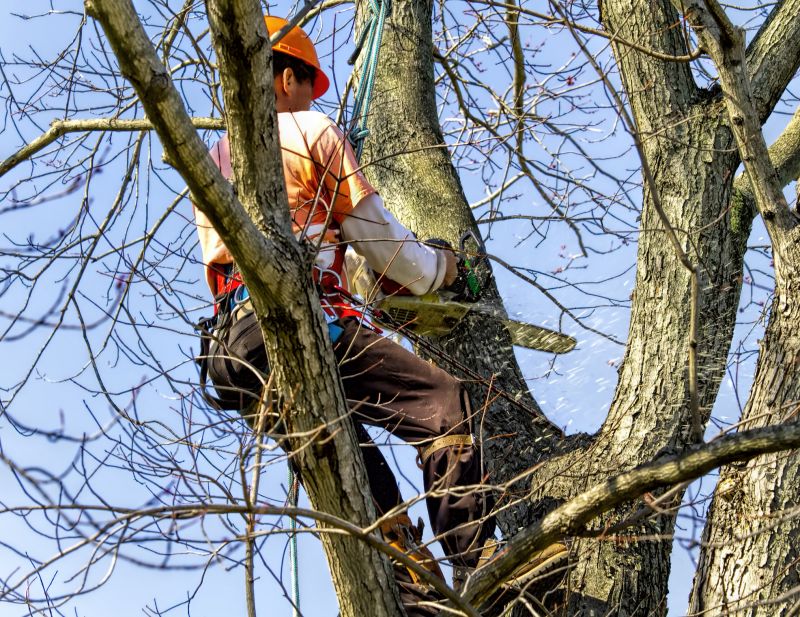
Clearly define your tree shaping project and compare local contractors based on experience and scope before choosing a service provider.
- Verify the contractor’s experience with tree shaping projects similar in scope and complexity. - Ensure that service providers clearly define the scope of work and project expectations in writing.
- Check references or reviews to assess the quality and reliability of previous tree shaping services. - Confirm that local contractors have a track record of completing projects to standards.
- Assess the contractor’s understanding of tree health and proper shaping techniques to prevent damage. - Look for detailed project plans that include preservation and safety considerations.
- Compare the scope of work and services offered to ensure all desired shaping outcomes are included. - Clarify what is and isn’t covered in the project to avoid misunderstandings.
- Confirm that the contractor provides a detailed written estimate outlining tasks, materials, and responsibilities. - Review the estimate thoroughly to ensure it aligns with project goals.
- Ensure the contractor adheres to local regulations and obtains necessary permits for tree shaping work. - Verify that all legal requirements are addressed before work begins.
Compare local contractors' experience and clarify project scope to ensure expectations are well-defined.
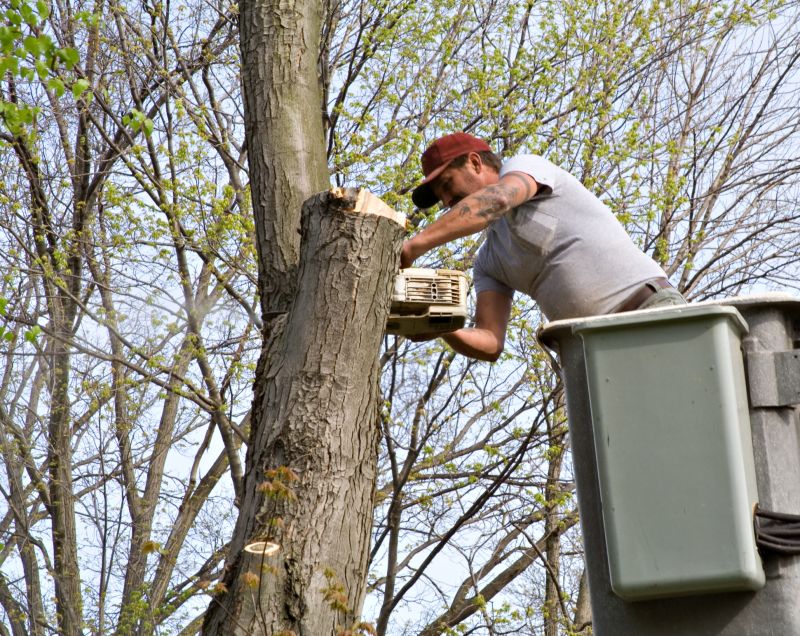
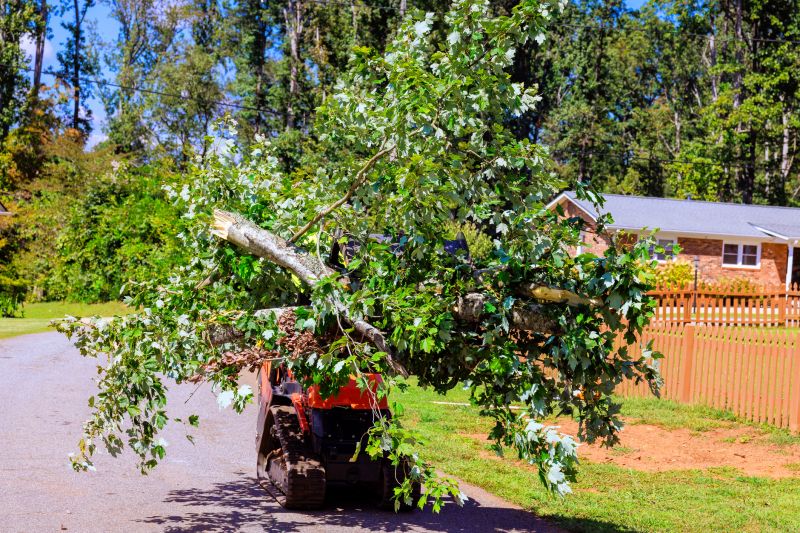

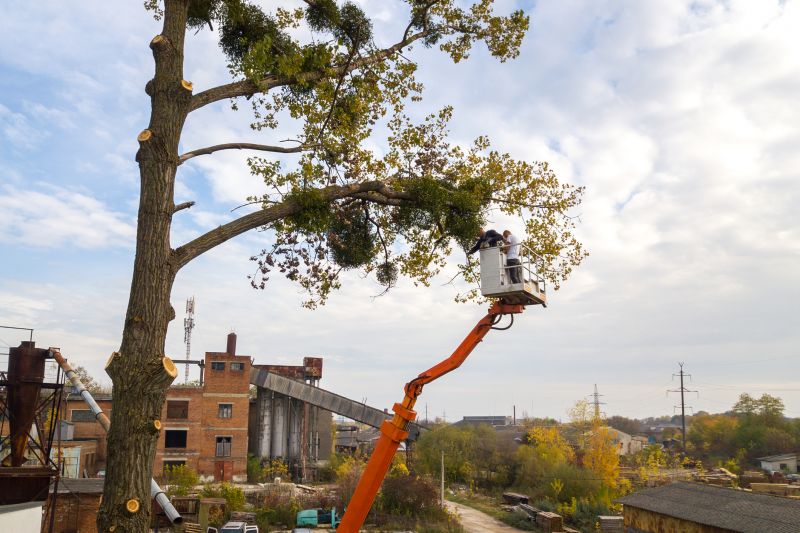
This section helps compare local contractors for tree shaping by defining scope, verifying experience, and setting clear expectations.
- Scope Definition - Clearly outline the specific tree shaping services required to ensure all parties understand the project scope.
- Experience Verification - Confirm that local contractors have relevant experience in tree shaping to handle the project effectively.
- Material and Technique Specification - Specify the materials and shaping techniques preferred or required for the project.
- Workmanship Expectations - Define quality standards and detailed work expectations to guide the service provider.
- Written Agreement - Ensure all project details, scope, and expectations are documented in a written agreement before work begins.
When evaluating contractors for tree shaping services, it is important to consider their experience with similar projects. Homeowners should inquire about the types of tree shaping work the contractors have completed in the past, ensuring they have a track record of handling projects comparable in scope and complexity. A contractor’s familiarity with the specific techniques, tree species, and design goals relevant to the project can help ensure the work aligns with expectations and desired outcomes.
Clear and detailed written scope is essential for establishing a shared understanding of the project. Homeowners should seek contractors who can provide a comprehensive description of the work to be performed, including the specific tasks, the extent of shaping, and any materials or tools involved. Having this scope in writing helps prevent misunderstandings and provides a solid foundation for communication throughout the project.
Verification basics involve confirming that the contractor’s experience and qualifications are appropriate for the project. Homeowners can ask for references or examples of completed work, and verify that the contractor has a history of successful projects similar to the one at hand. Additionally, ensuring that the contractor’s approach aligns with safety standards and best practices can help maintain quality and minimize potential issues during the project.
When comparing options, it is useful to evaluate how each contractor defines the scope of work and their approach to the project. Homeowners should review written proposals or descriptions of services to see how thoroughly each contractor has outlined the work. Asking detailed questions about the methods, materials, and project management can provide insight into their professionalism and reliability. Focusing on these aspects helps homeowners make informed decisions based on the contractor’s expertise and clarity of communication, rather than price alone.
Request written descriptions of the scope and expectations to ensure clarity and consistency with service providers.
- Experience and Expertise - What specific experience do local contractors have with tree shaping projects similar to this one?
- Scope of Work - How do contractors define and document the scope of the tree shaping service to ensure clear expectations?
- Materials and Methods - What techniques and materials do local service providers typically use for tree shaping, and how do they differ?
- Project Planning - How do contractors plan and communicate the steps involved in the tree shaping process?
- Contractor Comparison - What criteria should be used to compare the qualifications and approaches of different local tree shaping service providers?
What should I consider when choosing a contractor for tree shaping? It's important to compare local contractors based on their experience, services offered, and reputation. Clearly defining the scope of work and verifying their background can help ensure a suitable match for the project.
How can I verify a contractor’s experience with tree shaping? You can review their portfolio, ask for references, or inquire about previous projects to assess their expertise and familiarity with tree shaping techniques.
What details should be included in a written agreement with a contractor? A comprehensive scope of work, project expectations, materials to be used, and any specific design or shaping requirements should be documented to set clear expectations.
Is it important to compare multiple contractors before hiring? Yes, comparing different service providers helps identify those with the appropriate skills and experience, and ensures the chosen contractor aligns with the project’s needs.
What questions should I ask a contractor during the initial consultation? Ask about their experience with tree shaping, the methods they use, how they handle project planning, and how they will communicate progress and expectations.
Why is it beneficial to have a detailed scope of work in writing? A written scope clarifies project expectations, reduces misunderstandings, and provides a reference point for both parties throughout the project.
This page has provided an overview of what to consider when seeking tree shaping services, including how to define the scope of work, verify experience, and set clear expectations in writing. By understanding these key points, visitors can better compare local contractors and find options that align with their project needs. Utilizing the quote form allows for easy comparison of available service providers in the area, helping to identify the best fit for the job.
For those ready to explore local options, using the quote form is a straightforward way to connect with experienced contractors who can handle tree shaping projects. Gathering multiple responses enables a comparison of different service providers, making it easier to evaluate their offerings and expertise. Taking this step can help ensure that the chosen contractor meets the specific requirements of the project.